
[divider scroll_text=””]
Navigare necesse est – To sail is necessary, is an old saying. Life is a voyage. On the sea, the hills, Moon, stars and then lighthouses were points of reference. Vodnjan has its lighthouses, churches with saints, in the town and surrounding area and in the fields because people “sailed” everywhere and continually.
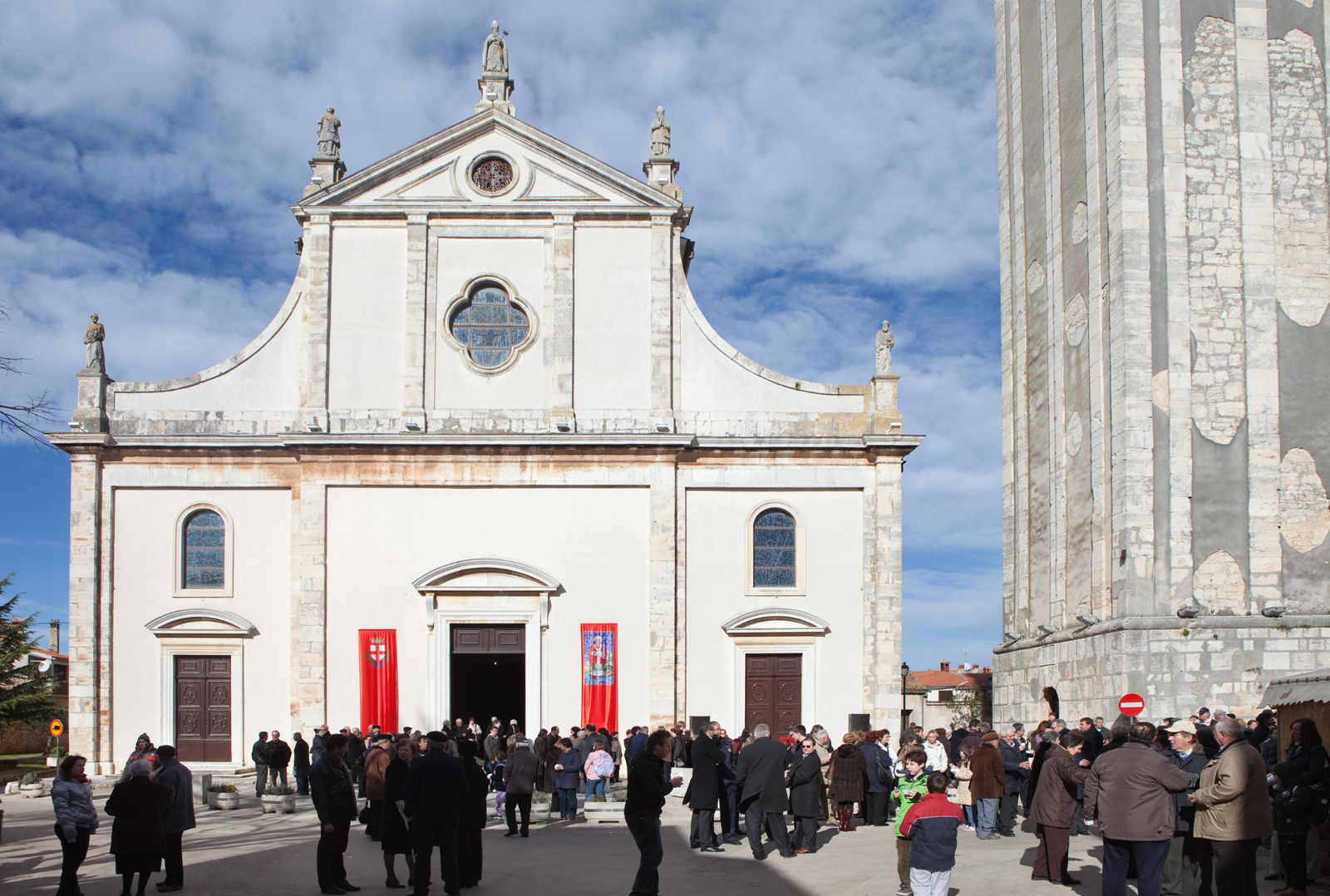
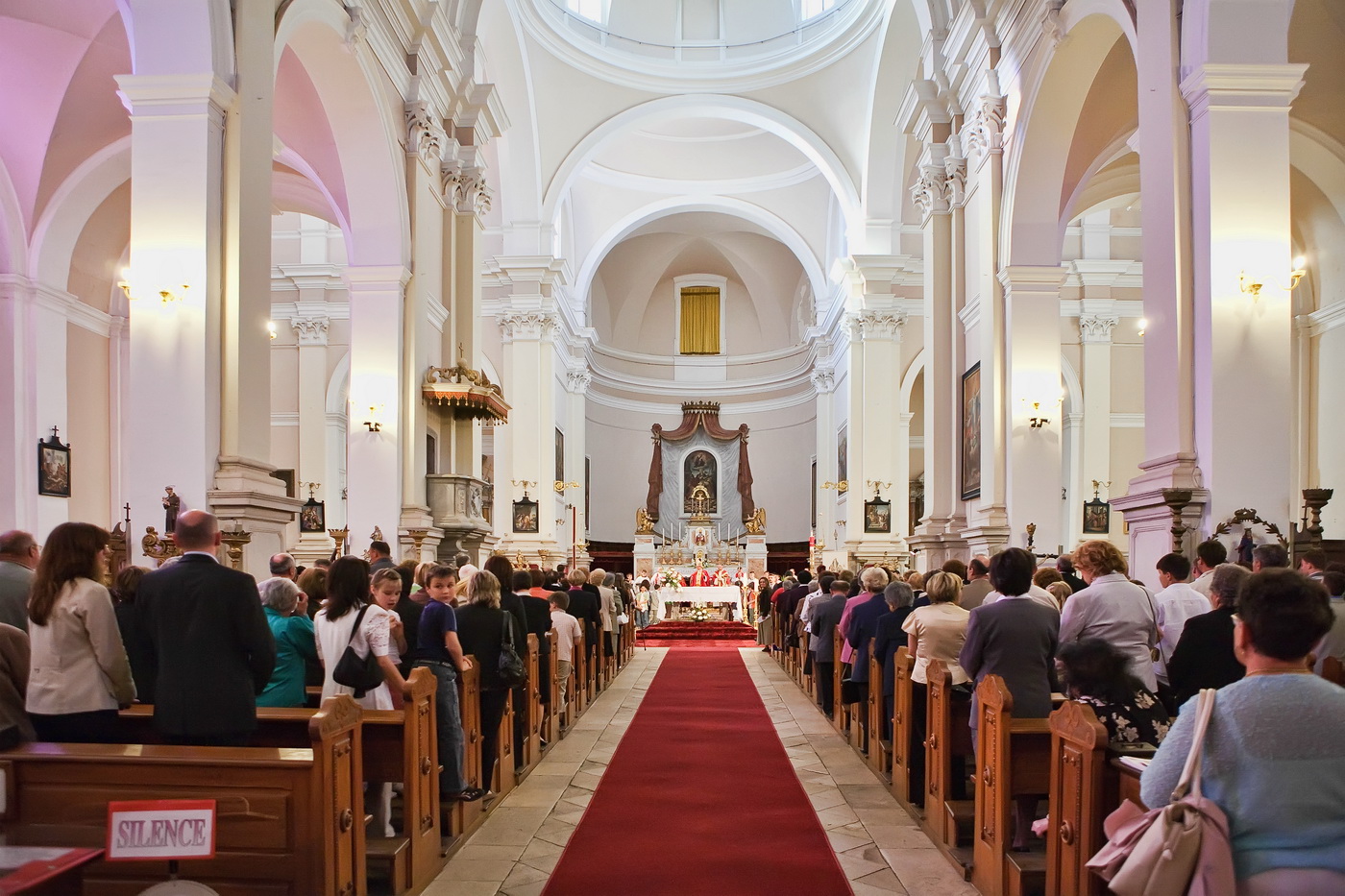
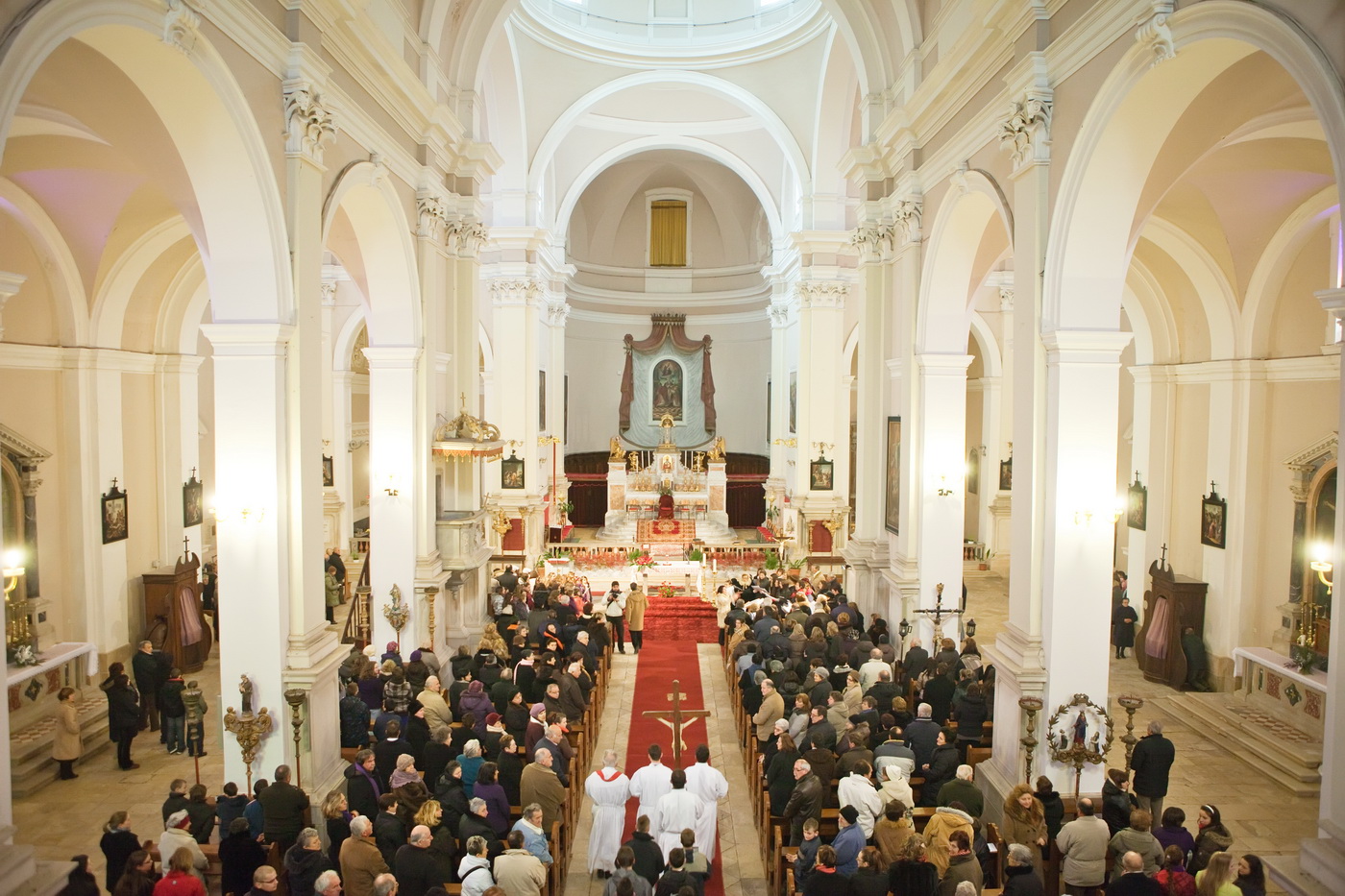
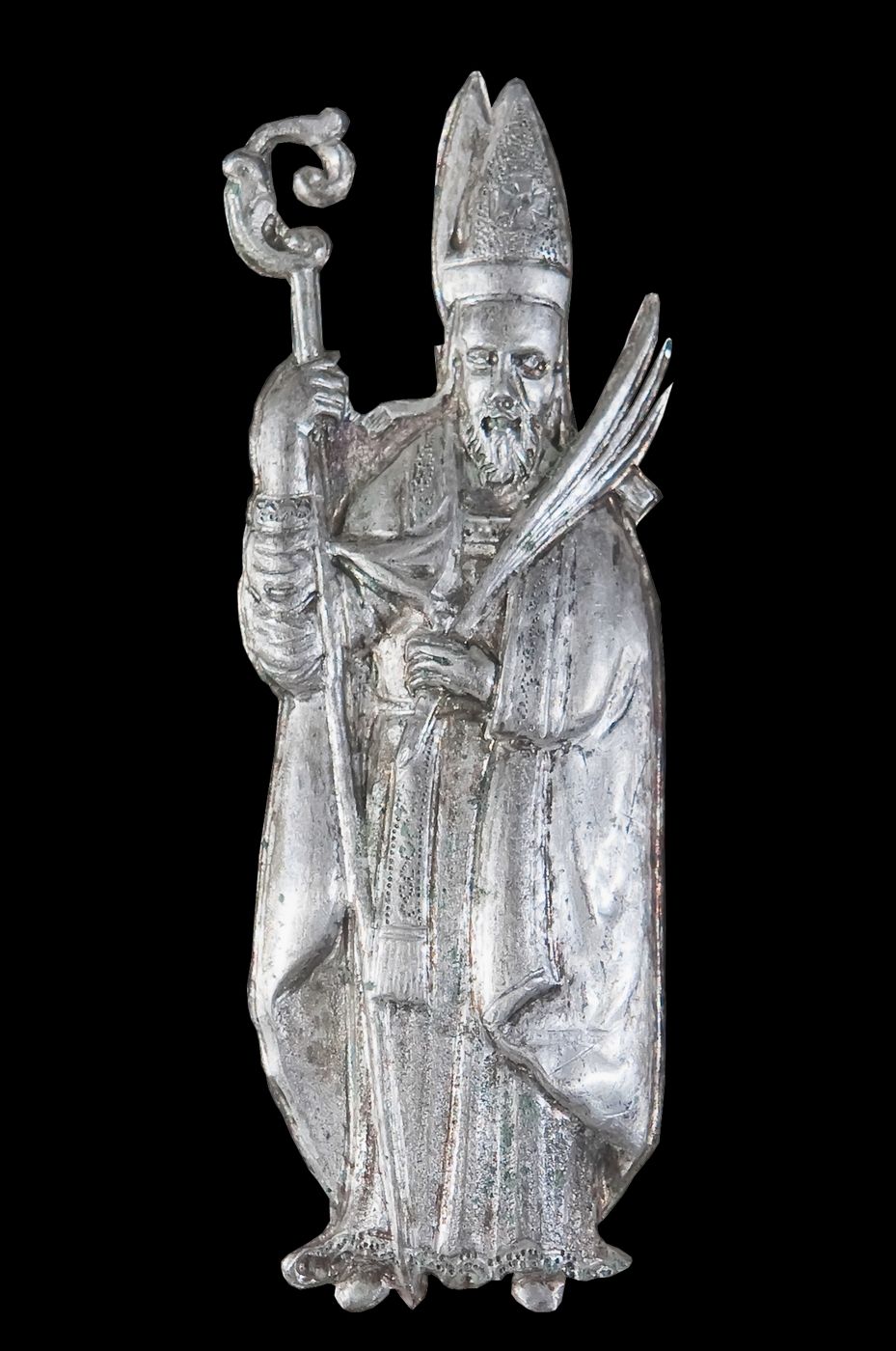
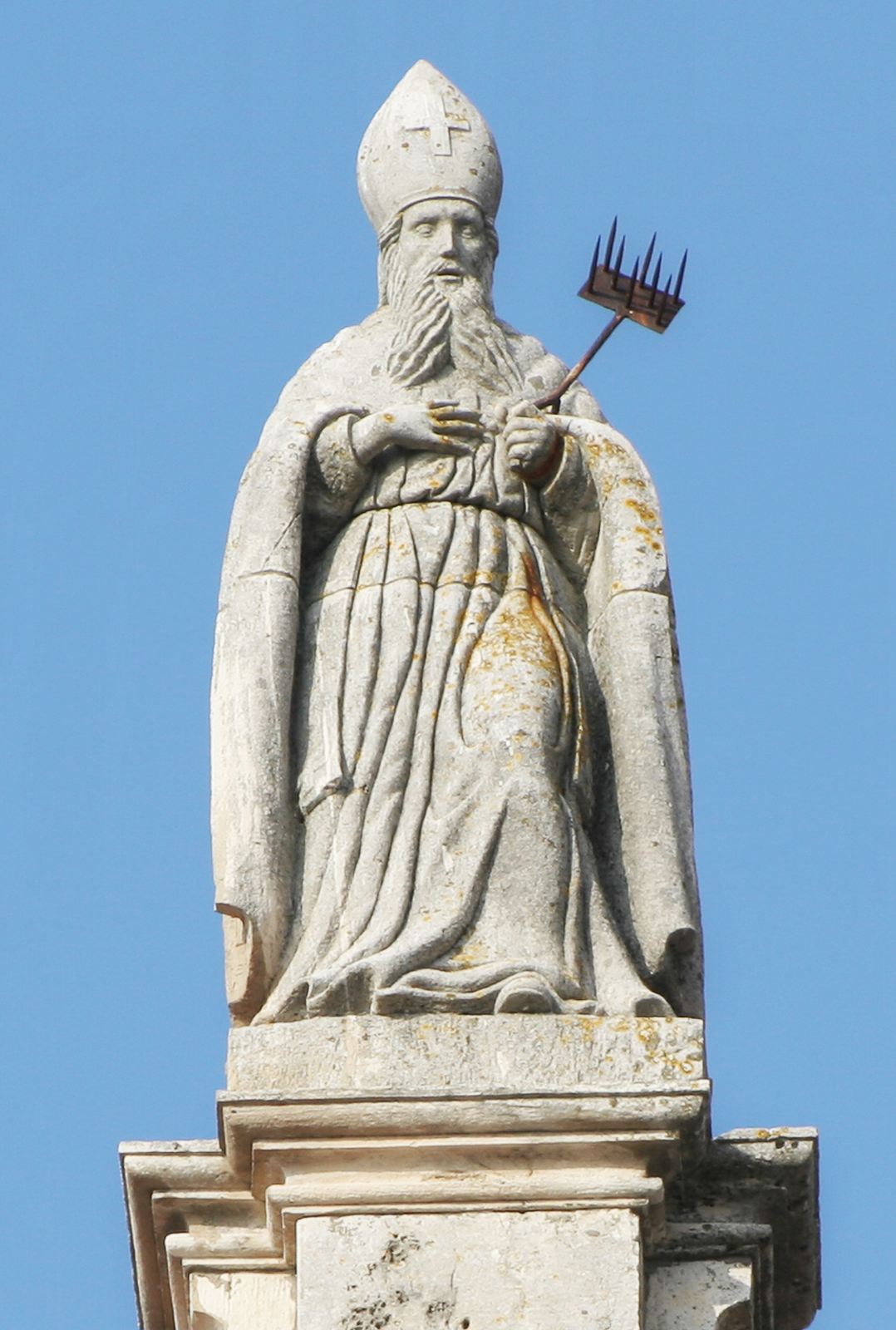
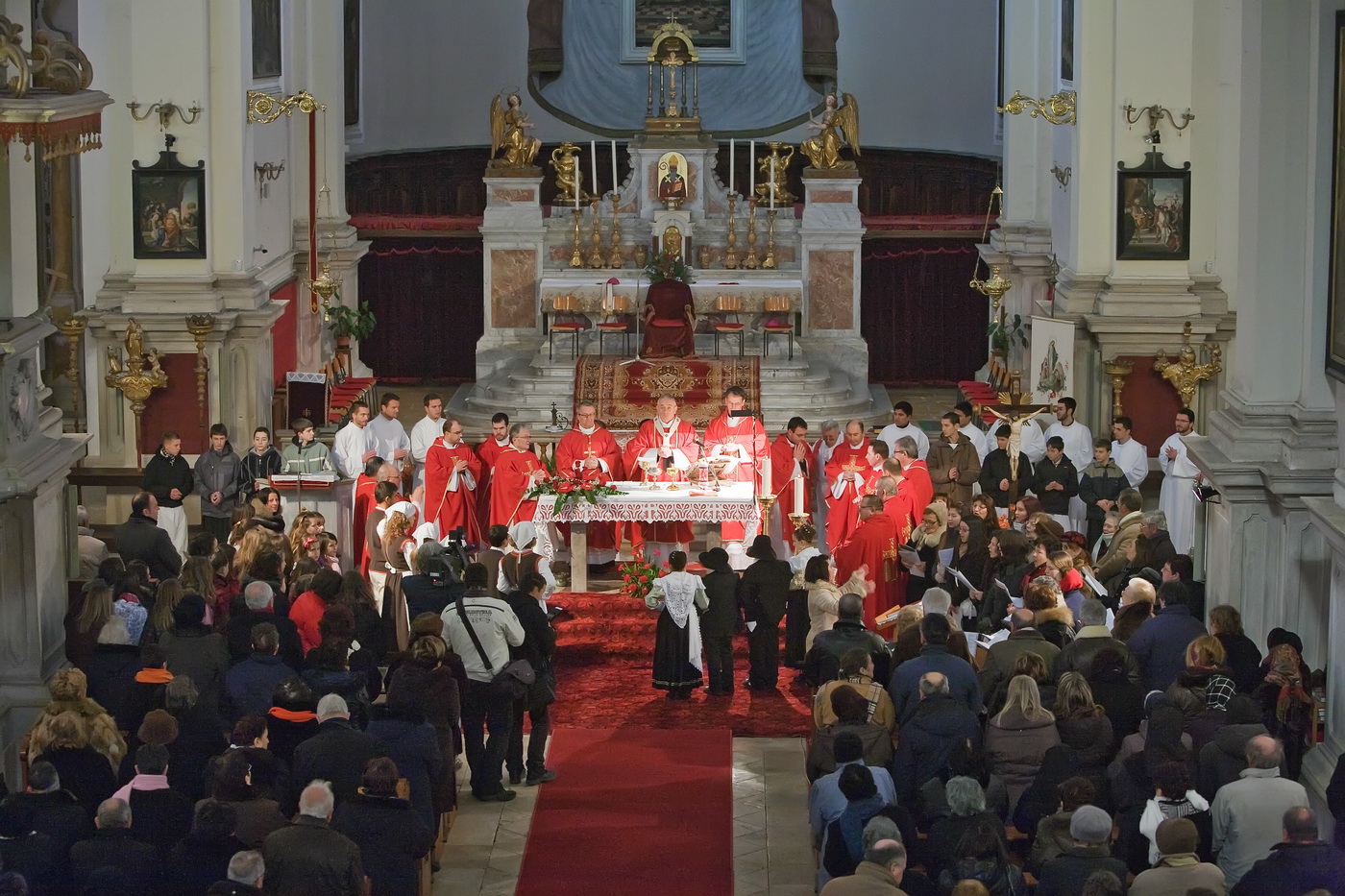
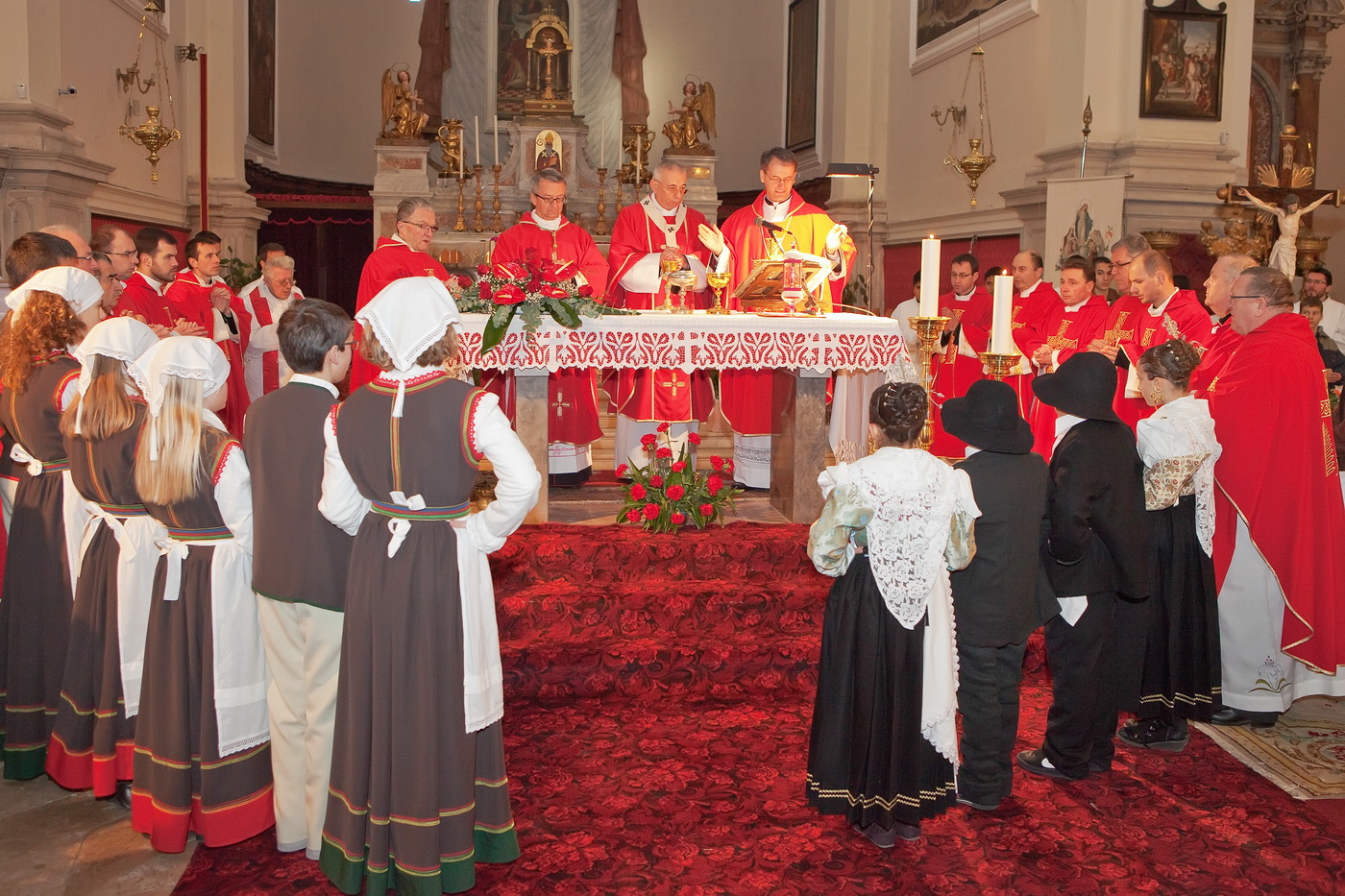
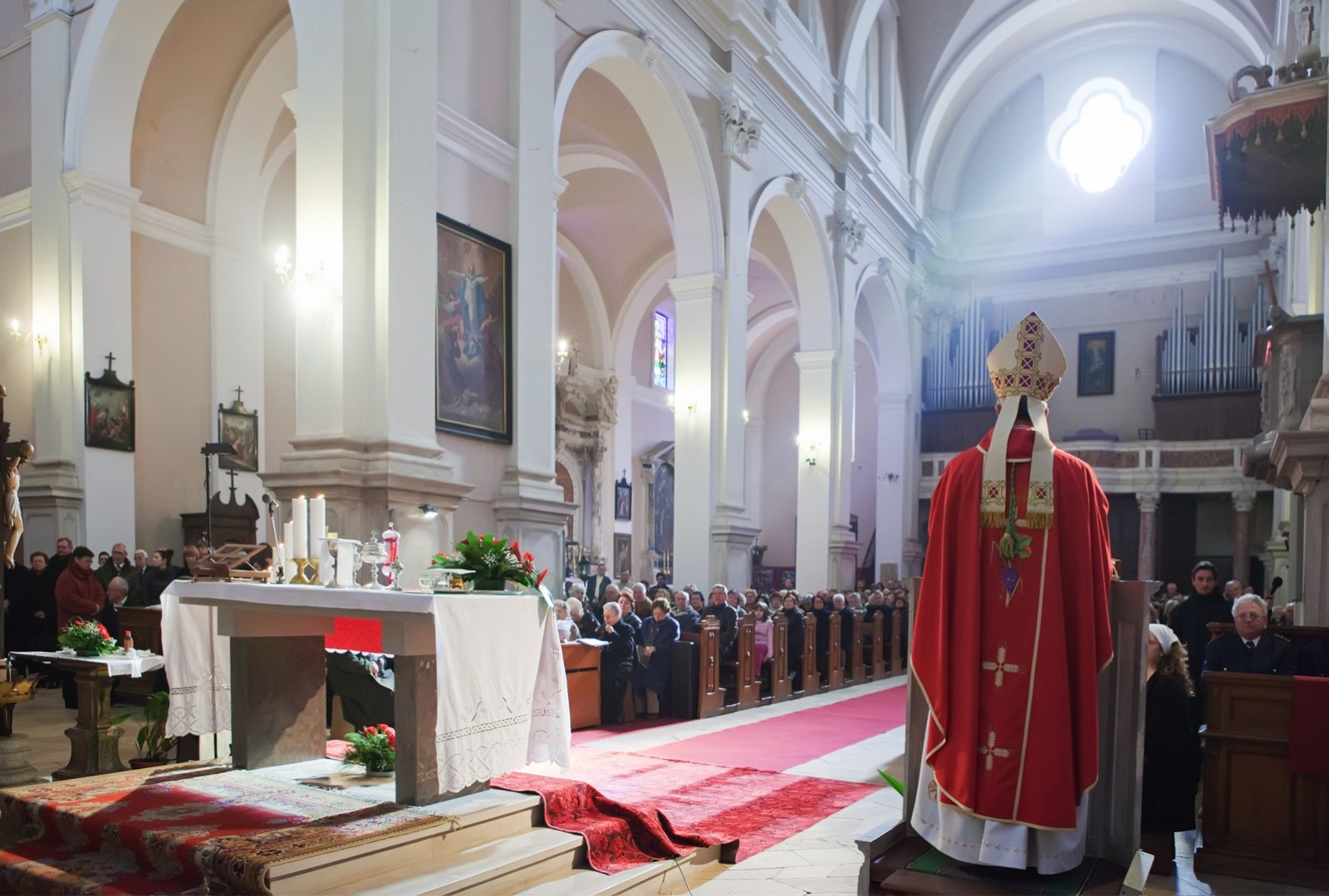
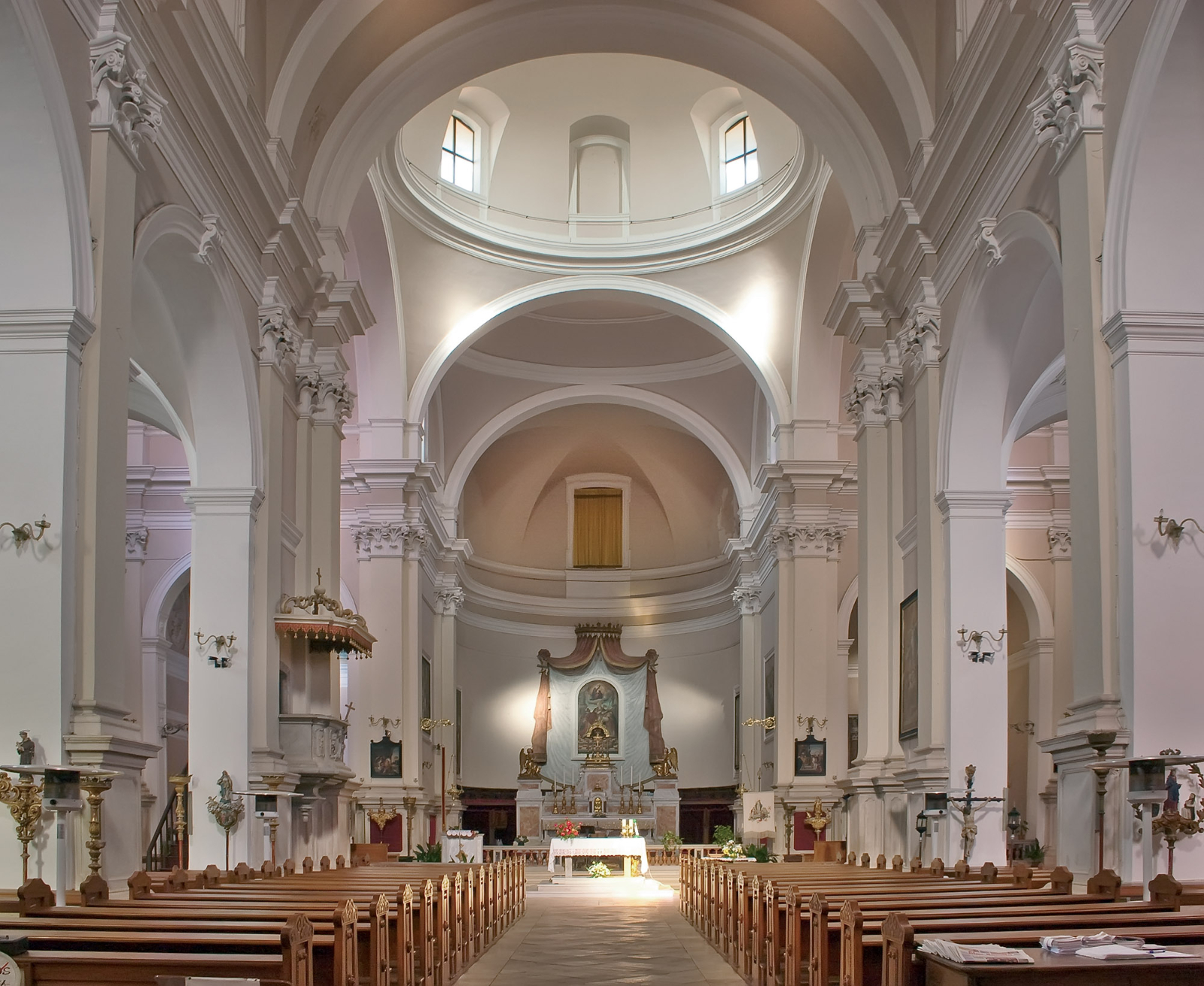
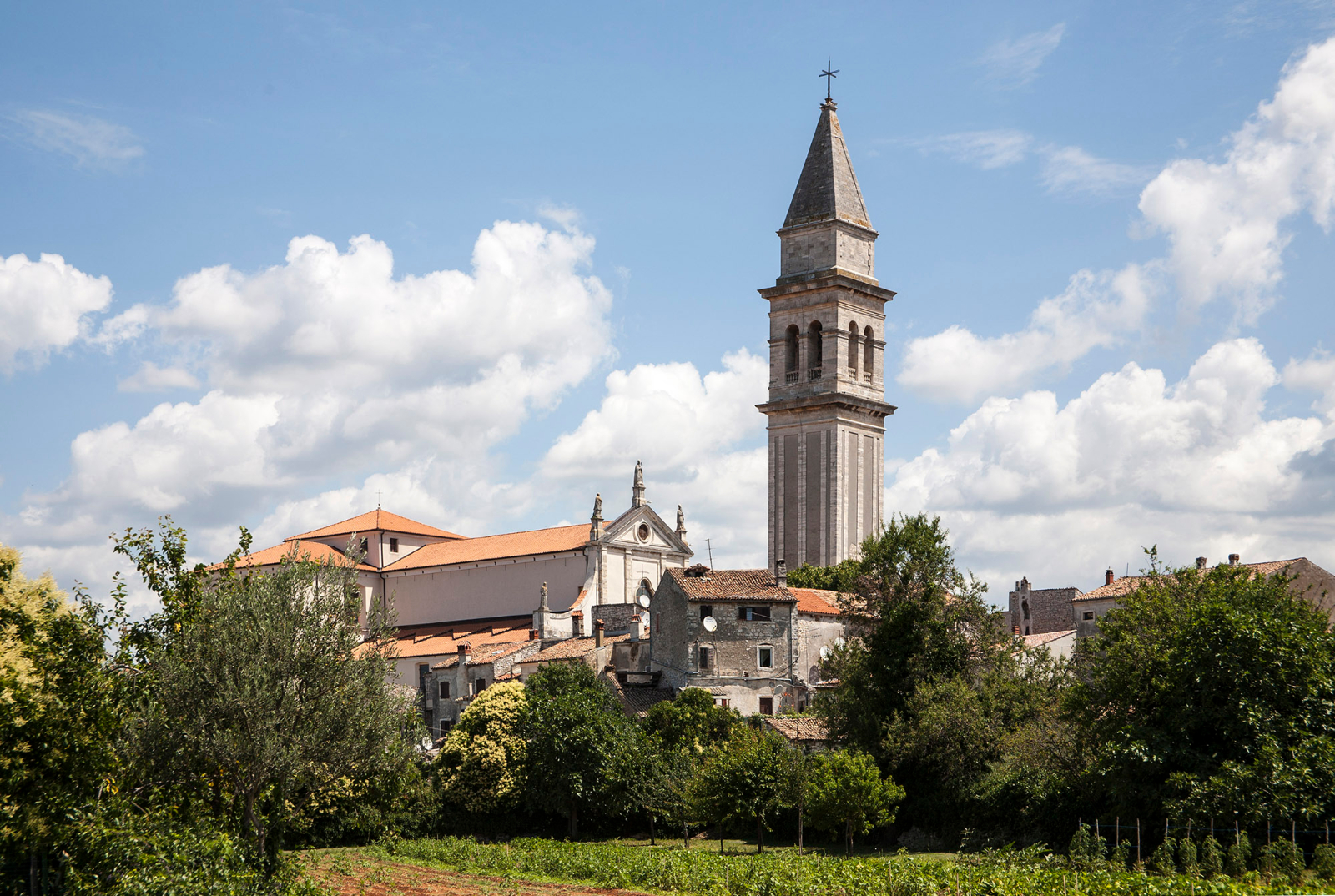
Stories about the churches in the Vodnjan area are best begun with a question: What does one see first in the flat and gently hilly region of southern Istrian? The eyes of those at sea and those on land are captivated by the huge bell tower of the Church of St. Blasius in Vodnjan (standing at 63 m, it is the tallest in Istria). From this “exclamation mark” as the centre, historians have found, within the borders of the present day Vodnjan parish, a total of 61 sacral buildings of varying sizes to which 29 brotherhoods are linked.
According to the claims of the Galižana parish priest Giacomo Giachin, the cathedral chapter was in Guran from 874, and was actually the best organised community of the faithful in the Vodnjan area. On its territory there were six early Christian basilicas from 5th to 8th century. Guran as a settlement was exceptionally important. Immediately next to the settlement, the largest Istrian church from the early Middle Ages was built here, a large triple naved basilica. It is the largest, there is no bigger one in Istria, while in the rest of Croatia there is only one from this period, and this is the Mausoleum of Croatian rulers in the Knin Diocese. A church with similar characteristics as the Church of St. Jacob in Guran has been found in Sinai, in Syria, Egypt and in Switzerland from the 10th century. For Croatia this is one of the most significant sacral monuments from the Middle Ages. The Benedictine monastery operated in Betiga from the VIIth century, while in Vodnjan itself there was a Franciscan monastery with a hospice. From 1650 there was a Conventual monastery at Traversa, while from 1745 there was a Capuchin monastery in the locality which the inhabitants erected themselves. At one time the convent of the Society of the Most Sacred Hearts operated here. There was also a Franciscan ceonobitic community in Gajan.
Right up to the XVIth century, Barbariga was called Punta Cissana as mentioned by the Roman historian Pliny. In the port of Marić (porto Mariccio), at one time a hall chapel was found, actually a semicircle apse of a home oratory from the 4th century, about which the well known Italian archaeologist and explorer of Istria, Mario Mirabella Roberti, wrote about. It’s most likely that, just like elsewhere, while Christianity was still kept secret, a shrine had been setup in a Roman house and a separate apse was constructed for this, whose image has also been preserved. Tombstones were also found, and this of Tito Kornelij Krisomal a cloth colourer from Cissa. Does this indicate that Barbariga was the successor of the Cissa Diocese?
One more detail which would bear witness to the significance Barbariga, that is, Cissa had in ancient times is trading with the Sevso Treasure, a set of 14 silver vessels from late antiquity (4th century) worth more than 40 million pounds about which Lebanon, Hungary and Croatia have disputed over. It is claimed that a mineral analysis in Barbariga and on the set are congruent.
This multitude of early Christian, pre-Romanesque and early Romanesque churches, scattered over a small area, their immeasurable value for researching historical, cultural and ethnographic value as undisputable evidence of the long-term settlement in this area, is in essence the greatest treasure for those who today live in this museum of Christianity of kinds. This is why voyaging to this region isn’t wandering through wastelands because with so many lighthouses it’s difficult to get lost. To go to Vodnjan, in a spiritual sense, means to simultaneously visit all the shrines in the world.
List of Vodnjan churches
- Holy Mother of God, Barbariga XIVth century
- St. Felician, Betiga, Vth century
- St. Andrew, Betiga, IV – Vth century
- St. Agnes, Betiga, VIIIth century
- St. Mark, Marić
- Home chapel, Point Debeljak
- St. Fosca XI – XIIth century
- St. Michael, basilica XI – XIIth century, Banjole
- St. Michael, XVth century, Banjole
- St. Martin, IXth century, Mednjan
- St. Blasius, XIth century, Mednjan
- St. Germain, XIth century, Mednjan
- Holy Saviour, XIXth century, Negrin
- St. John, XIth century, Turnina Gajana
- St. Michael, XIIIth century, Gajana
- St. Our Lady of Health, XIIIth century
- St. Our Lady of Health XIXth century
- St. Margerita, XIIIth century
- St. Thomas, XIVth century
- St. Lucy, VIth century, basilica
- St. Lucy, XIXth century
- St. Peter of seven crowns, IXth century
- St. Quirinus VIth century, basilica
- St. Quirinus, XVIIth century
- St. Cecilia, IXth century
- St. Cecilia, XVIIth century
- St. Jacob, VIIth century, Guran, basilica
- St. Simon, Guran, VIIIth century, basilica
- St. Jacob, XVIth century, Guran
- St. Severin, Xth century, Guran
- Madonna of Traversea IXth century
- Madonna of Traversea XVIIth century
- St. Jacob of Monta,
- St. Mary the Help of Christians, Babòs, XIXth century
- Holy Sunday, XVth century
- St. Macarius,
- St. Anthony, abbot XIth century
- Capital, XIXth century
- St. Peter Pudenzan
- St. Francis of Assisi, XIIIth century
- San Zane (St. John) Smaregliina ulica
- Prà di Candia, graveyard
- St. Blasius, XIth century basilica
- St. Blasius, XIXth Parish Church
- Oratory of St. John the Baptist
- St. Jacob, IXth century old town
- St. Sebastian, XIIIth century
- Our Lady of Mount Carmel, XVIIth century
- St. Martin, XIVth century
- Holy Cross, XVth century
- Nativity of the Theotokos – Madonetta
- St. Dominic, XVth
- St. Nicholas, Pian
- St. Catherine, XIVth century
- St. Euphemia, XVth century
- Oratory XIVth century in Kaštel
- St. Joseph, XVIIIth century
- St. Roch, XVI. st,
- St. Martin of Banjola
- St. Mary of Cerreta
and other locations outside

[divider scroll_text=””]
[list type=”check”]